
Neanderthals and worms: the diet you wouldn’t expect
04 November 2025

When we picture Neanderthals, we imagine them hunting giant mammoths and feasting on meat roasted over fire.
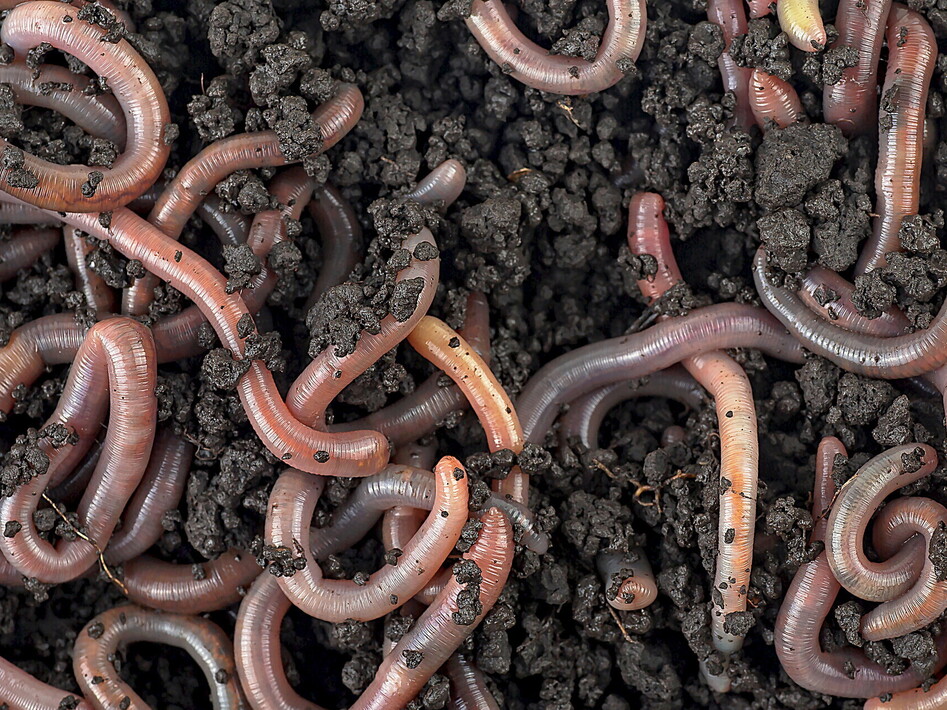
But here’s the surprise: according to a new study, among their “delicacies” were… worms. Yes, you read that right. A team of researchers found that Neanderthals may have frequently eaten rotting meat full of fly larvae—the very maggots that disgust us today, but which for them were a valuable food, rich in fat and protein. Scientists studied nitrogen stable isotopes in Neanderthal bones. This type of analysis helps reveal what they ate: the higher the value, the higher up the food chain you are. Neanderthals had extremely high values—even higher than some large predators like lions. For years, this was taken to mean they ate huge amounts of meat. But there was a problem: humans cannot survive on lean meat alone, unlike wolves. Our bodies cannot cope without fat or other nutrients. So researchers had a hunch: what if those very high values weren’t just due to meat, but also… worms? They ran an experiment, analysing larvae grown on decomposing meat. The result? The larvae had nitrogen isotope values even higher than the meat itself. So if Neanderthals were eating rotting meat with larvae inside, it’s likely those worms boosted the isotope values. Today the idea makes us shudder, but in the past it wasn’t unusual. Many Indigenous peoples ate fermented meat, even when it was crawling with larvae. In Sardinia, there is still a famous cheese known for exactly that: casu marzu. And historical records mention populations who deliberately collected and ate larvae with relish. For Neanderthals, storing meat for months in cold or hidden places was normal. But over time, that meat rotted and became infested with insects. Instead of discarding it… they ate it. What does this teach us? That Neanderthals were not only strong and courageous hunters, but also intelligent and adaptable. They knew how to use every available resource to survive in harsh environments—even those we now consider repulsive. After all, the history of human diet is full of surprises. And who knows—perhaps in a few years, eating insects will be normal for us too.