
Ecosystems
The term ecosystem refers to the set of living organisms and non-living matter that live together in a specific environment
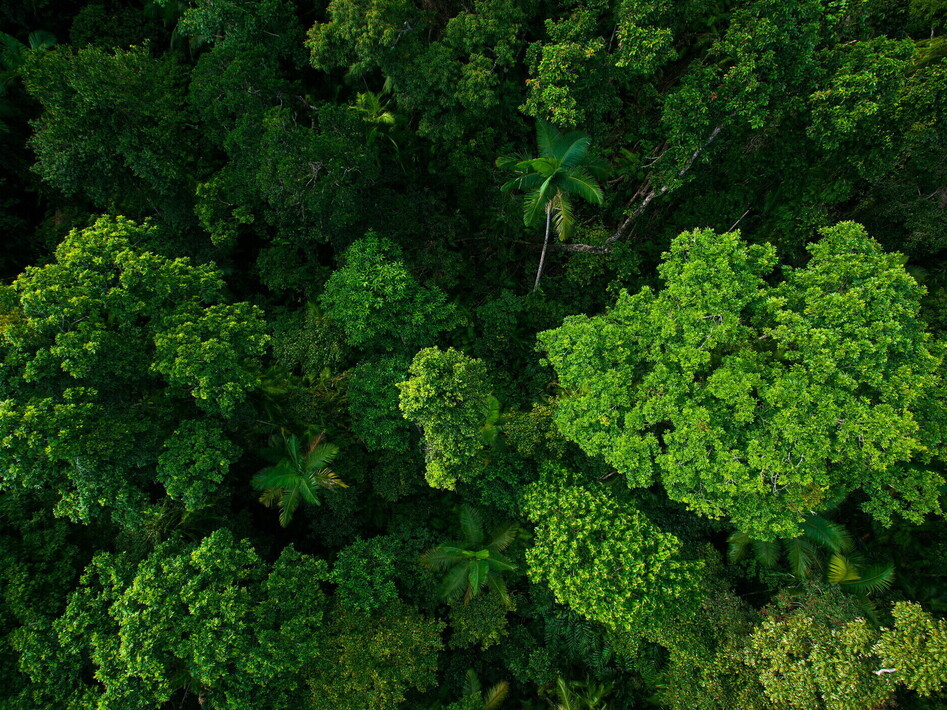

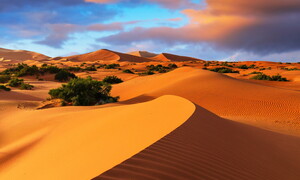
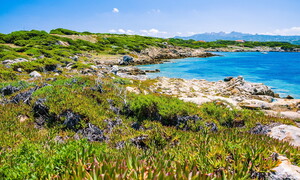
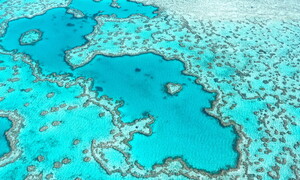
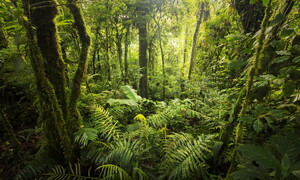
An ecosystem is the functional set of all living organisms and the environmental factors related to them, with which the various species interact. The biosphere is the outermost layer of our planet, where the network of interaction between the living and the non-living develops. The exchange of energy, in every form, alongside the exchange of materials, regulates the maintenance of life. A structured system that interacts in this way is defined as an ecosystem, which always tends towards a state of equilibrium. Indeed, it is the stable conditions over long periods that favour the flourishing development of life. Every ecosystem has its particularities and is influenced by various characteristics:
- the soil composition, which can be rich or poor in certain nutrients necessary for the survival of a particular species;
- the amount of light the vegetation receives from the sun each day;
- the temperature, which can be low or high, constant or variable throughout the seasons or between day and night;
- the amount of water provided by precipitation (rain or snow), which affects the overall humidity of the environment.