
Coal
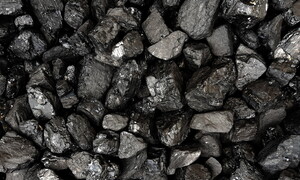
Fossil coal is a solid fuel that originated about 300 million years ago, during the Carboniferous period, from the fossilization of entire forests
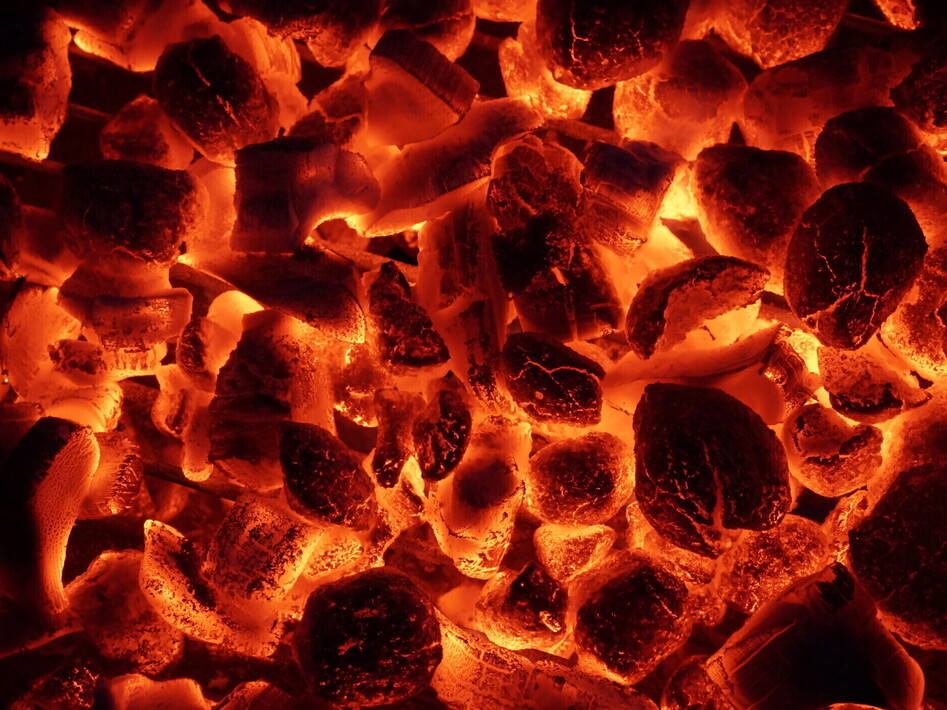

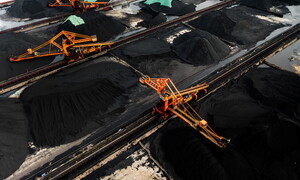
Coal is found in deposits whose depth depends on the age of the coal itself: the oldest deposits are also the deepest. Depending on the depth at which the deposit is located, coal can be extracted from open-pit mines or underground tunnel mines, which can reach depths of up to 1,000 meters. The older the coal, the higher the percentage of carbon it contains, and the higher its calorific value (and therefore its quality). Depending on the formation age and carbon content, four types of coal are distinguished: peat, lignite, bituminous coal, and anthracite.
Its main drawback is that it is the energy source that pollutes the most and negatively affects the state of the climate. Compared to natural gas, producing one kilowatt-hour of electricity from coal releases more than twice the amount of nitrogen oxide, eight times the amount of heavy metals, ten times the amount of fine dust, and emits large quantities of sulfur oxides.
Its main drawback is that it is the energy source that pollutes the most and negatively affects the state of the climate. Compared to natural gas, producing one kilowatt-hour of electricity from coal releases more than twice the amount of nitrogen oxide, eight times the amount of heavy metals, ten times the amount of fine dust, and emits large quantities of sulfur oxides.