
The orange shark: a genetic mystery discovered in Costa Rica
24 October 2025
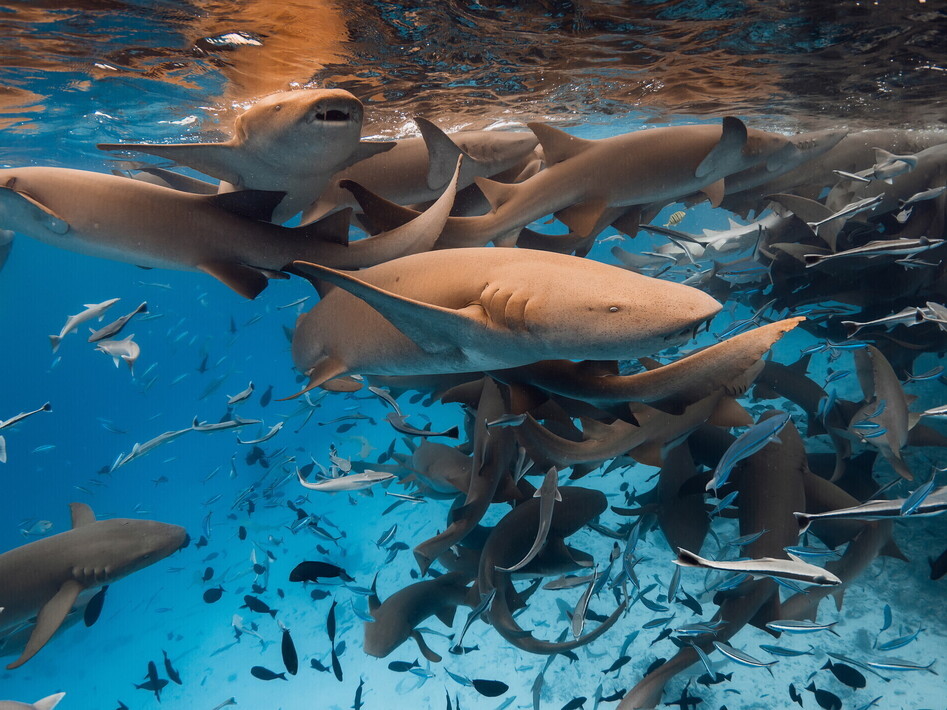

A cinematic moment unfolded off the eastern coast of Costa Rica, near Tortuguero, when an unusually coloured shark was caught and released.
With a vivid orange body and ghostly white eyes, this nurse shark (Ginglymostoma cirratum) measuring around two metres stunned not only sport fishermen but also the global scientific community. The shark was filmed, photographed, measured, weighed—and then set free. Its striking orange hue was attributed to a condition known as xanthism. Xanthism is a rare genetic phenomenon in zoology that causes yellow or orange colouring in parts of the body that are typically a different colour. This mutation can occur across a variety of animal species, including lizards, fish, birds (such as canaries), and even sharks—giving them an unusually yellow or sometimes brighter or more vibrant appearance. But that’s not all: the absence of dark irises and the shark’s white eyes suggest it was also albino. The combination of xanthism and albinism is referred to as albino-xanthochromism, an extremely rare condition previously observed in only one species of ray in the Irish Sea. In nature, an animal’s colouring evolves to ensure adaptation, camouflage or mate attraction. An orange shark would, theoretically, be an easy target for predators or might struggle with hunting. Yet, this individual appears to have reached adulthood without obvious disadvantage. Researchers remain puzzled. According to a study published in Marine Biodiversity, xanthism is generally of genetic origin, but environmental stress, high temperatures, or hormonal imbalances may also contribute. For now, the orange shark remains a one-off case. But the discovery raises an intriguing question: could this be the first sign of a new genetic trend in the Caribbean nurse shark population? For now, the orange shark is a vivid reminder that the oceans still harbour countless secrets, waiting to be uncovered.