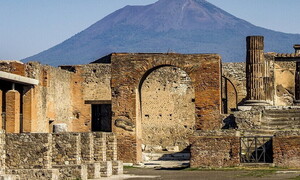

Life in Pompeii after the catastrophe
13 October 2025

The discovery of evidence of post-eruption life in Pompeii has shaken the foundations of our understanding of one of the most famous disasters in ancient history.
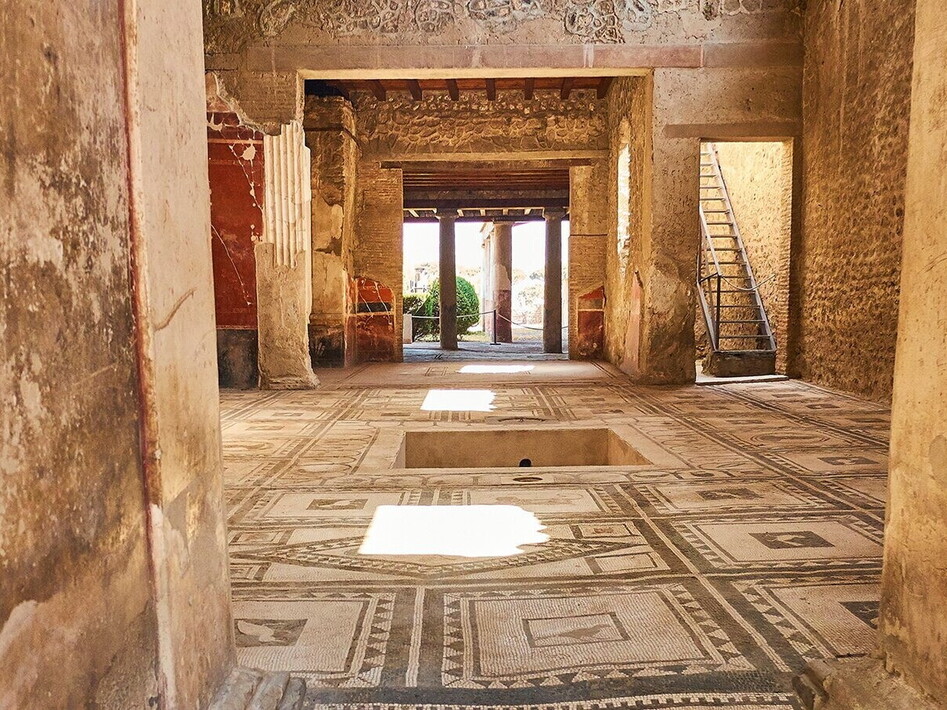
For centuries, Pompeii has been seen as a city “frozen” in time, instantly buried by the fury of Mount Vesuvius in 79 AD. However, recent archaeological discoveries paint a very different picture, revealing that the city was not a petrified place of death, but a site of life and reorganisation for a significant period after the catastrophe. New archaeological investigations have unearthed evidence that a group of survivors - or perhaps fortune seekers - not only returned to Pompeii after the eruption but established a stable settlement there. These findings, described by the site’s director Gabriel Zuchtriegel, suggest that the city was not abandoned immediately after the initial phase of the eruption. Archaeologists have found traces of an “afterlife”: the upper floors of old houses, still standing, were reinhabited, while ground floors were converted into cellars with ovens and mills. These structural adaptations indicate an attempt to reorganise daily life in a devastated environment. This settlement, which some scholars have described as a genuine “Roman favela,” was based on survival and recovery logic, in stark contrast to the planning and prosperity of pre-eruption Pompeii. Why had this story not emerged earlier? According to Zuchtriegel, past archaeological efforts focused mainly on uncovering spectacular and intact finds, neglecting or even removing the “faint traces” of reoccupation. Excavations often prioritised the most colourful and well-preserved remains of the pre-eruption city - such as frescoes, mosaics, and victims’ skeletons - considering them the “real” Pompeii. This approach effectively erased part of the city’s history: its resurrection, and the lives of those who, by necessity or choice, attempted to rebuild their existence among the ruins. This new archaeological approach, by contrast, values every clue - no matter how small - to reconstruct a more complete and nuanced picture of the past. This discovery forces us to rethink Pompeii’s entire story, which was not only a tragic snapshot of Roman life, but also an example of human resilience and adaptation. The settlement endured until the 5th century AD before it was finally abandoned. The find proves that the history of Pompeii is far richer and more complex than previously thought. It is not just a story of sudden demise, but also one of rebirth, survival, and the way life - despite everything - always finds a way forward.