


Why do mosquitoes prefer some people?
14 September 2026
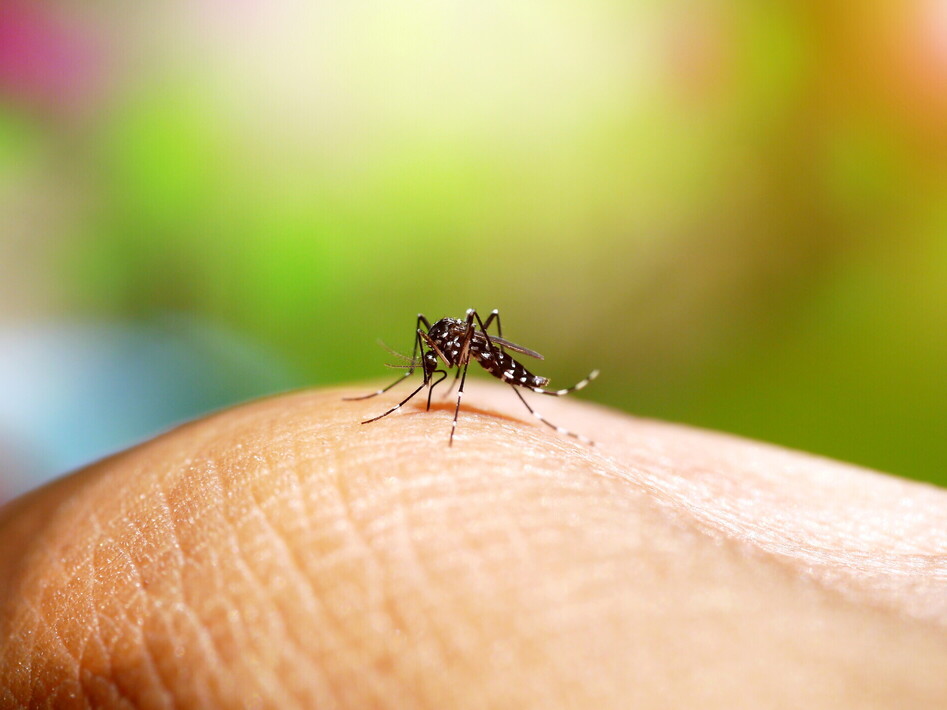

According to a new study, the chemistry of our skin determines how "appetising" we are to mosquitoes, and each mosquito species has different tastes.
A team of researchers led by neurogeneticist Matthew DeGennaro of Florida International University recruited 119 volunteers to investigate what makes some people more attractive to mosquitoes than others. The scientists tested three different mosquito species: Aedes aegypti and Aedes albopictus, which bite during the day, and Culex quinquefasciatus, which bites at night. For the two daytime species, volunteers placed an arm inside a specially designed device that allowed mosquitoes to detect the scent of their skin without being able to bite them. For the nocturnal species, each volunteer wore a nylon sleeve for several hours to capture their body odour; the sleeve was then placed inside the apparatus in the dark. In both cases, the researchers counted how many mosquitoes were attracted to each person's scent. The most interesting finding? Each mosquito species preferred a different group of people. Some volunteers were highly attractive to one species but largely ignored by the other two: in fact, nobody proved irresistible to all three species. Interestingly, Aedes aegypti also showed a slight preference for men over women. Human body odour is incredibly complex: it consists of more than a thousand different chemical compounds, many of which are produced by the bacteria that naturally live on our skin, collectively known as the skin microbiome.
By analysing these odours, researchers identified several interesting patterns:
- Aedes aegypti and Culex quinquefasciatus preferred people with lower overall levels of body odour;
- Aedes albopictus, by contrast, was attracted to 13 chemical compounds with plant-like scents;
- certain skin bacteria (with complicated names such as Corynebacterium kefirresidentii and Staphylococcus epidermidis) were found in all the people most attractive to all three species.
Understanding why mosquitoes choose to bite one person rather than another is more than a matter of curiosity: many mosquito species are vectors of dangerous diseases, meaning they can transmit infections from person to person, including dengue, West Nile virus and yellow fever. If scientists can identify precisely which chemicals and bacteria make someone more attractive to mosquitoes, they could develop new repellents based on skin microbes, or more effective and affordable traps specifically designed to capture the most dangerous mosquito species in a given area. As Kaylee Marrero, one of the researchers involved in the study, explains, understanding why mosquitoes bite people is the first step towards one day being able to prevent it.
(Source: iScience, August 2026)