


What did T. rex breath smell like?
20 April 2026
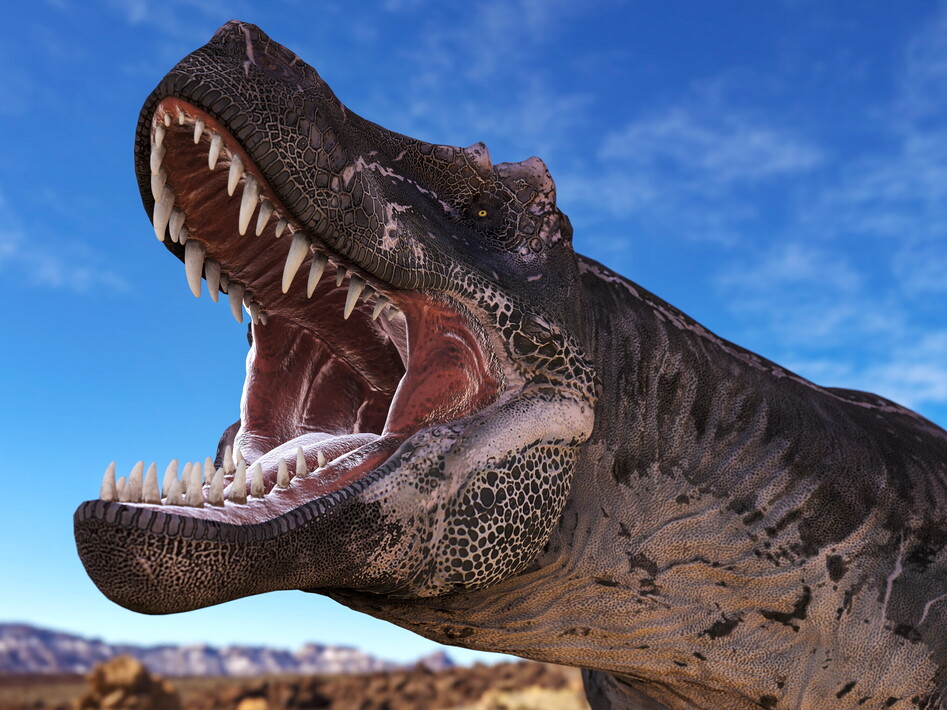

What might a dinosaur’s breath have smelled like? It may sound like a strange question, but some scientists are genuinely trying to find out. Today, there are scientific projects aimed at recreating the smells of the past, including those of extinct animals such as the famous Tyrannosaurus rex.
The idea may seem unusual, but studying the scents of the past helps researchers better understand how animals lived and what environments on Earth were like millions of years ago. In recent years, some scientists have begun to explore what is known as the “archaeology of smell.” This field of research attempts to reconstruct the fragrances and foul odours of the past by using fossils, chemical analyses and comparisons with modern plants and animals. The aim is to create a kind of “time machine for the nose”, capable of helping us imagine what the smells of very distant ages may have been like. Researchers analyse, for example, fossilised plants, chemical residues or the diets of animals. They then look for similar modern species and use this information to reconstruct the most likely smells. In the case of Tyrannosaurus rex, scientists have tried to imagine what its breath may have smelled like. This gigantic carnivorous dinosaur lived around 67 million years ago and fed mainly on meat. Its teeth were large, serrated and curved, perfect for tearing through the flesh of its prey. However, this very shape also meant that pieces of meat could become trapped between the teeth, where they would rot. For this reason, many researchers believe its breath was probably very strong and unpleasant, rather like that of some large carnivores today. In some museums, such as the Field Museum in Chicago, scientists have attempted to recreate the smell of T. rex breath so that visitors can experience it for themselves. To do this, they studied the dinosaur’s diet, the shape of its teeth and the environment in which it lived. They then created a mixture of odours representing the breath of a predator shortly after feeding. According to the researchers, the result is a very intense and decidedly unpleasant smell. Curiously, although its own breath was probably far from sweet-smelling, T. rex had a highly developed sense of smell. Studies of fossilised brain structures suggest that it devoted a large part of its brain to processing odours. This means the dinosaur was probably able to detect the smell of prey or carcasses even from a distance, much as some modern predators do. Reconstructing the smells of extinct animals is useful because it helps us better understand ancient ecosystems. Smells can tell us many things: what animals were eating, what plants were growing in a particular environment and how prehistoric ecosystems functioned. In the future, scientists hope to reconstruct the smells of prehistoric forests or other dinosaurs as well: who knows what the enormous droppings of herbivorous giants such as Brontosaurus smelled like! Even if we will never encounter a real T. rex, science may at least allow us to imagine what it smelled like when it opened its mouth... and it was probably anything but pleasant.