


The Neanderthal legacy
2 March 2026
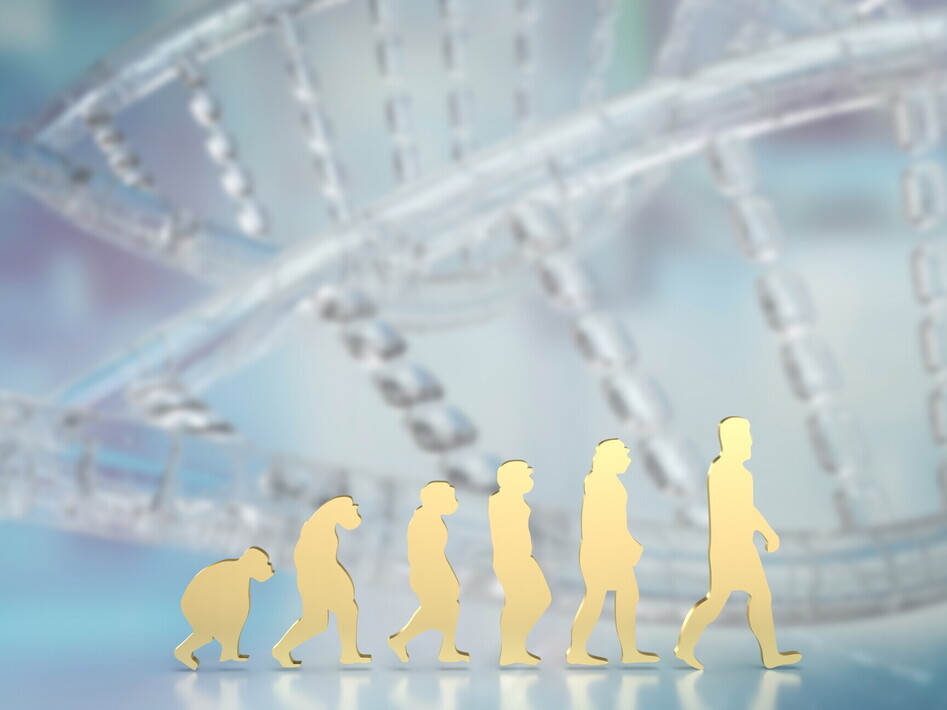

The discovery that modern humans still carry traces of Neanderthal DNA is one of the most fascinating findings in recent genetics. When our Homo sapiens ancestors left Africa tens of thousands of years ago and moved into Eurasia, they came into contact with another human group: the Neanderthals.
On several occasions these two groups met and interbred, leaving a lasting mark on our genes. Today, most people outside Africa have about 2% Neanderthal DNA in their genome, although the amount can vary from one individual to another. In some specific parts of the genome, however, that ancient DNA can be much more prevalent and has been preserved because it offers evolutionary advantages. Many of the Neanderthal fragments we have inherited are linked to the immune system. Neanderthals lived in Eurasia for hundreds of thousands of years before our arrival and faced local infections and diseases; by interbreeding with them, early Homo sapiens inherited genes that helped them fight certain pathogens present in those regions. Some of these genetic variants may still protect us against RNA viruses, a group that includes diseases such as seasonal influenza. Not all traces of Neanderthal DNA, however, are beneficial. Some of these ancient genes may make people more susceptible to certain illnesses in the modern world. For example, some Neanderthal variants have been associated with autoimmune diseases or more intense allergic reactions. Even if they may have helped our ancestors in the past, today they can contribute to excessive immune responses or inflammation. Scientists stress, however, that we cannot simply “blame” Neanderthal DNA for modern diseases, because in these cases many genes and environmental factors interact with one another. Studying these ancient genetic fragments is useful not only for understanding how certain traits or diseases evolved, but also for helping to develop new therapies or treatments, as we gain a better understanding of how those genes act in the human body. Scientists continue to explore how modern technologies, such as gene editing, may reveal further secrets of this ancient legacy. Ultimately, Neanderthal DNA is a bridge between past and present: evidence of how ancient encounters between different forms of humanity shaped who we are today and continue to influence aspects of our health and biology.