


The history of braces
6 February 2026
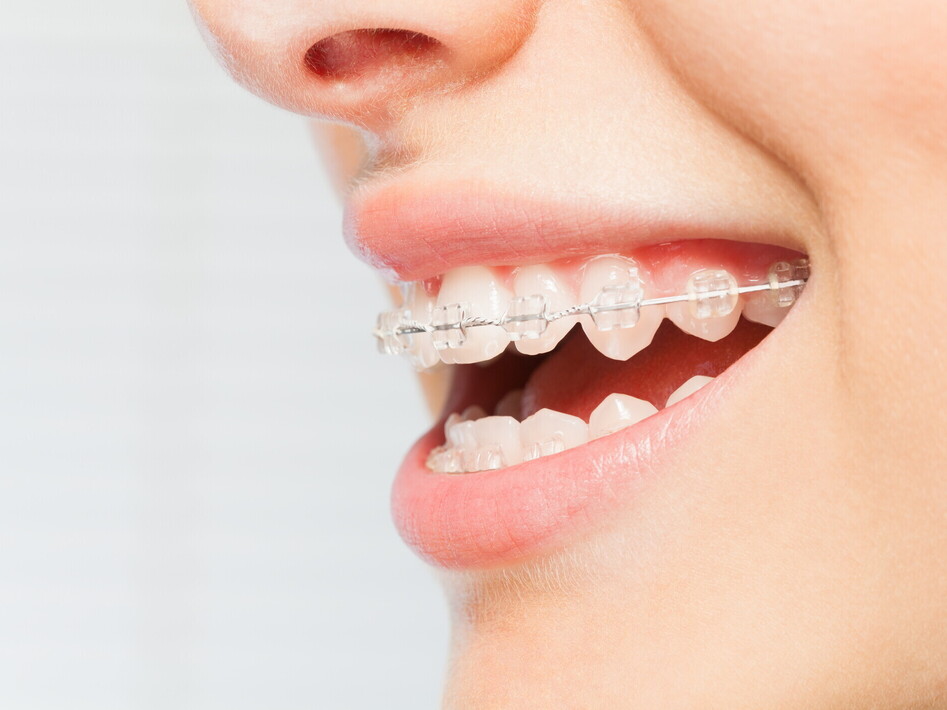

Many people think that the use of dental appliances to straighten teeth is an ancient idea, supposedly practised even by the Egyptians and the Etruscans. For years, dentistry textbooks repeated stories of gold wires and natural materials used to achieve the “perfect” smile that we now associate with modern braces. However, more recent research suggests that much of this is myth and does not really reflect what happened in the past.
Archaeologists and dental historians have carefully examined finds such as the El-Quatta dental bridge, dating back to 2500 BC, and realised that the gold wires found near the remains were not used to move teeth. In fact, these wires were used to stabilise loose teeth or hold replacement teeth in place: in other words, they functioned as prostheses, not as appliances for aligning the teeth. The same is true of the gold bands found in Etruscan tombs: they were probably supports for diseased or damaged teeth, not instruments designed to “pull” teeth into new positions. Another important clue that undermines the myth is that many of these objects were found in the remains of adult women, not in the mouths of children or adolescents - the age groups in which orthodontic appliances are most commonly used today. Moreover, the material employed, such as very pure gold, is too soft to generate the continuous pressure needed to move teeth, whereas modern techniques use strong metals and precise welds to exert constant force. Perhaps what is most surprising is that ancient populations did not really need braces as we understand them today. Malocclusion - that is, crowding and irregular alignment of the teeth - was very rare in the past. Analyses of Stone Age skulls show that teeth almost always aligned without difficulty, and this is linked to the much tougher, more fibrous diet of our ancestors, which encouraged the development of large, strong jaws capable of comfortably accommodating all teeth. By contrast, modern diets, with soft and processed foods, do not stimulate jaw growth in the same way, and this is why crowded or protruding teeth are so common today. It is true, however, that even in antiquity, when someone noticed a tooth growing crooked, very simple interventions were attempted: a Roman physician in the first century AD suggested gently pressing the tooth with a finger every day in an effort to straighten it. Primitive though it was, this method was based on a principle that still underlies modern orthodontics: constant pressure can move a tooth. The real development of orthodontics as a scientific discipline dates instead to the eighteenth century, when the French dentist Pierre Fauchard first described detailed treatments for correcting malocclusion and invented specific instruments to widen the dental arch. This work is regarded as the beginning of modern dentistry and paved the way for the orthodontic appliances we know today, including metal brackets, elastic wires and the clear aligners of the twenty-first century. In short, the idea that ancient Egyptians or Etruscans wore braces to achieve an even smile is fascinating, but does not match actual evidence.