


The DNA of genius
5 March 2026
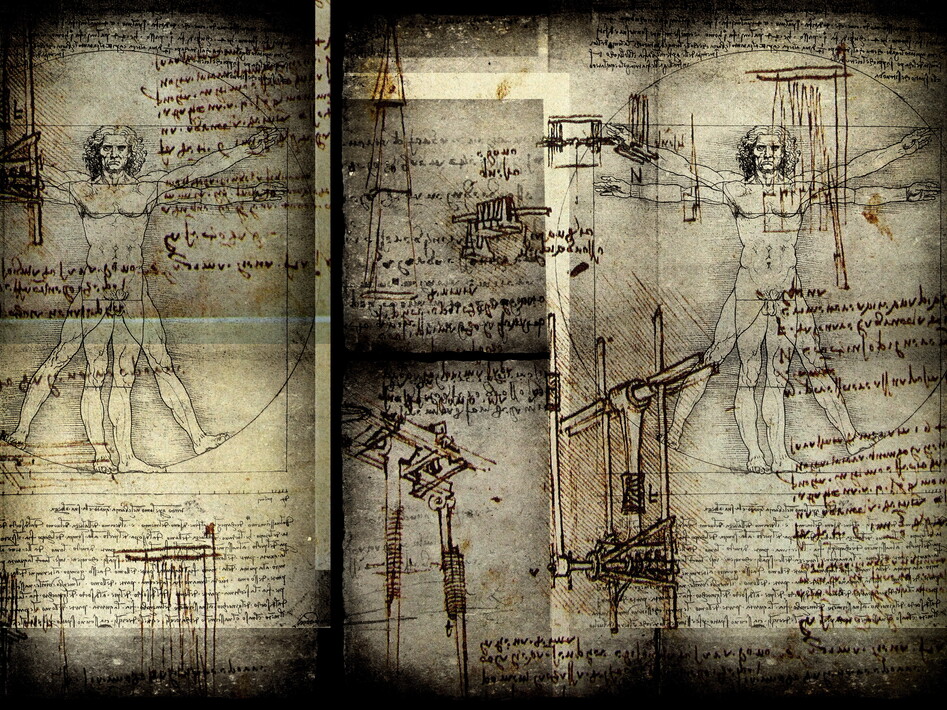

Science is exploring a completely new way of reading history: not through words or brushstrokes, but through the invisible biological traces left on historical documents and works of art.
Recent research has shown that very old objects, such as drawings and letters, preserve tiny residues of DNA and other organisms that can tell us something surprising about their creator and their history. An extraordinary example comes from scholars involved in the Leonardo da Vinci DNA Project (LDVP), an international group of researchers who have analysed some works associated with the great Renaissance genius using modern genetic techniques. In particular, they focused on a red charcoal drawing known as Holy Child (Santo Bambino), whose authorship is debated among art historians. In order not to damage these precious materials, researchers used delicate methods: with a soft swab, they collected tiny particles from the surfaces of paper and parchment, capturing residues of skin, microbes, dust and human DNA. They then sequenced the genetic material obtained. The result is a true biological mosaic: the samples contain DNA from bacteria, fungi, plants and viruses, reflecting the storage environment, the materials used and the handling history of the works. Among these traces, in some cases, male human DNA also emerged, identifiable thanks to specific segments of the Y chromosome. By comparing the data from the drawing with those obtained from historical letters written by one of Leonardo’s male relatives, scientists noticed that some Y-chromosome fragments belonged to the same genetic group, one that is very common in Tuscany, Leonardo da Vinci’s native region. This could indicate that part of the recovered DNA may indeed come from the great artist himself, although it is not definitive proof. Why can we not be certain? First of all, the genetic material is extremely degraded and mixed: over the centuries, these objects have been handled by many different people, some of whom may have belonged to the same geographical area or genetic line. In addition, Leonardo has no direct descendants, and his burial place has been disturbed several times, making it difficult to obtain a secure reference sample for DNA comparison. Despite these limitations, the research has enormous potential. In the future, this biological approach could help authenticate controversial works of art, better understand how they were made, and even reveal previously unknown details about the people who created them. In other words, every historical object is not just a document from the past: it is also a small “biological capsule”, preserving traces of those who touched it, safeguarded it or admired it. At the crossroads of art, history and genetics, the investigation into Leonardo da Vinci’s DNA is only just beginning, yet it already opens a new window onto the invisible history of the immortal works of the Renaissance.