


Sentinel-2 documents the retreat of the Perito Moreno Glacier
14 July 2026
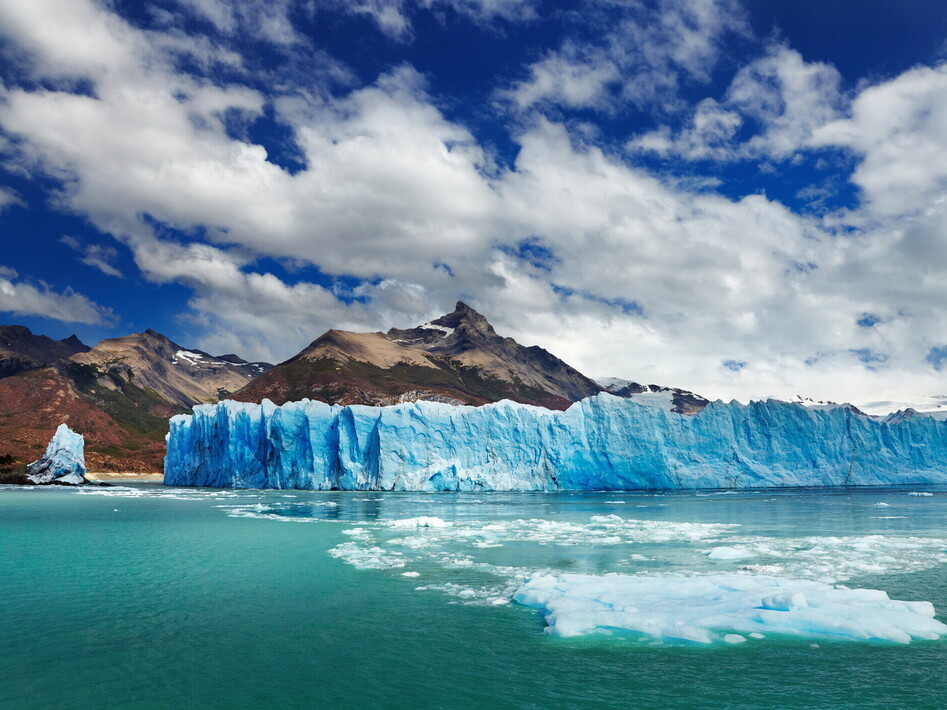

For decades, it was considered an exception. While most of Patagonia’s glaciers were retreating as temperatures rose, Perito Moreno appeared to maintain an almost unique degree of balance and stability. Today, however, even this giant mass of ice is showing clear signs of retreat.
The latest images captured on 30 June by the Sentinel-2 satellite, part of the European Copernicus programme, show that the glacier front has receded compared with 2016. This change confirms what scientists have been observing for years. According to a study published in Progress in Physical Geography, based on almost thirty years of satellite observations, the glacier retreated by a record 385 metres in 2025, its greatest loss since 1997. Since 2019, the glacier front has receded by more than 800 metres, while between 1997 and 2023 Perito Moreno lost around three square kilometres of surface area. Perito Moreno is scientifically significant because, until only a few years ago, it was regarded as one of the best-known examples of a relatively stable glacier. The retreat documented by satellite imagery and measurements taken in recent years suggests that even glacial systems once considered the most stable are responding to the effects of a warming climate.
According to glaciologists, Perito Moreno’s retreat is linked to the disappearance of the natural conditions that helped preserve its stability for so long. This process is being compounded by global warming, which is disrupting the balance between snow accumulation, summer melting and ice movement. Rising temperatures, together with changes in precipitation and in the structure of the glacier front, appear to have made Perito Moreno more vulnerable to retreat, in line with what has been observed in many other glaciers around the world. Today, Perito Moreno is one of the glaciers most closely monitored by the scientific community, as its evolution could provide valuable clues to the future of South America’s great glaciers and, more broadly, into the effects of climate change on mountain ecosystems.