


Microbes in tree bark are helping the climate
26 May 2026
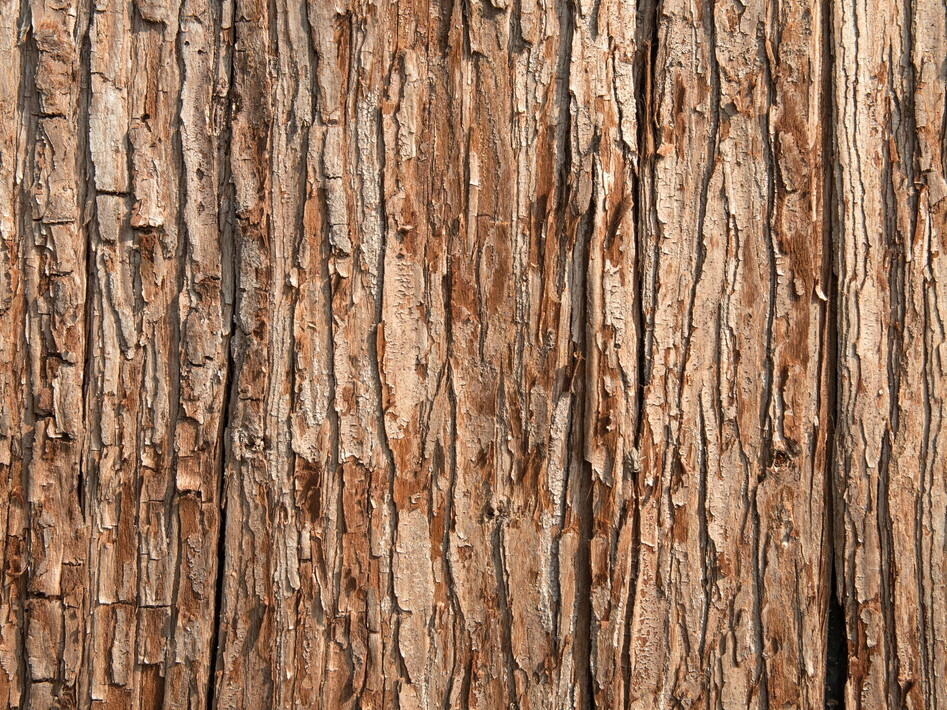

When we think about trees and their role in climate, we usually imagine them absorbing carbon dioxide (CO₂) from the air during photosynthesis. But recent research has uncovered something surprising: tiny microbes living in tree bark help remove other gases responsible for global warming, such as methane.
This discovery suggests that trees may be even more important for the climate than we once thought. Tree bark is not just a protective layer for the trunk; it is also home to vast numbers of microorganisms, including bacteria and other microbes. Together, they form what scientists call the bark microbiome. Researchers estimate that a single square metre of bark may host around six trillion microbes. If we consider all the trees on the planet, the total surface area of bark is enormous: about 41 million square kilometres, an area comparable to North and South America combined. For a long time, scientists did not study this ecosystem in depth, even though it is literally right in front of our eyes. Among the gases that contribute to climate change is methane, a very powerful greenhouse gas. Over a period of 100 years, methane can trap about 28 times more heat than carbon dioxide. Methane is produced mainly by microbes living in very wet environments, such as marshes and lakes. Some studies had observed that part of this gas seemed to “disappear” before reaching the atmosphere. The new research has found that some bacteria living in tree bark use methane as an energy source — in other words, they “eat” it, thus reducing the amount of this gas in the air. These microbes do not consume methane alone: they can also absorb hydrogen and carbon monoxide, two other gases that influence the Earth’s climate. According to researchers, all the microbes living on tree bark worldwide could remove between 25 and 50 million tonnes of methane each year. This means that trees help the climate not only by capturing CO₂: thanks to their microbes, they can also reduce other greenhouse gases. For this reason, researchers speak of a “hidden benefit” of trees for the environment. Scientists are now studying this discovery to understand which tree species host the microbes most effective at reducing greenhouse gases. Some species, in fact, have different microbial communities in their bark. This information could prove useful in reforestation projects, that is, when new trees are planted to combat climate change. Choosing species that are better at helping remove greenhouse gases could make forests even more valuable for the planet. The discovery of microbes in bark shows that nature is far more complex than we imagine. Even tiny organisms, invisible to the naked eye, can have a major impact on the environment and on the Earth’s climate. So when we look at a tree, we should remember that it is not just a plant: it is also a home for billions of microbes silently working to protect our planet.