


Goletta Verde and Goletta dei Laghi: the 2026 results are in
20 August 2026
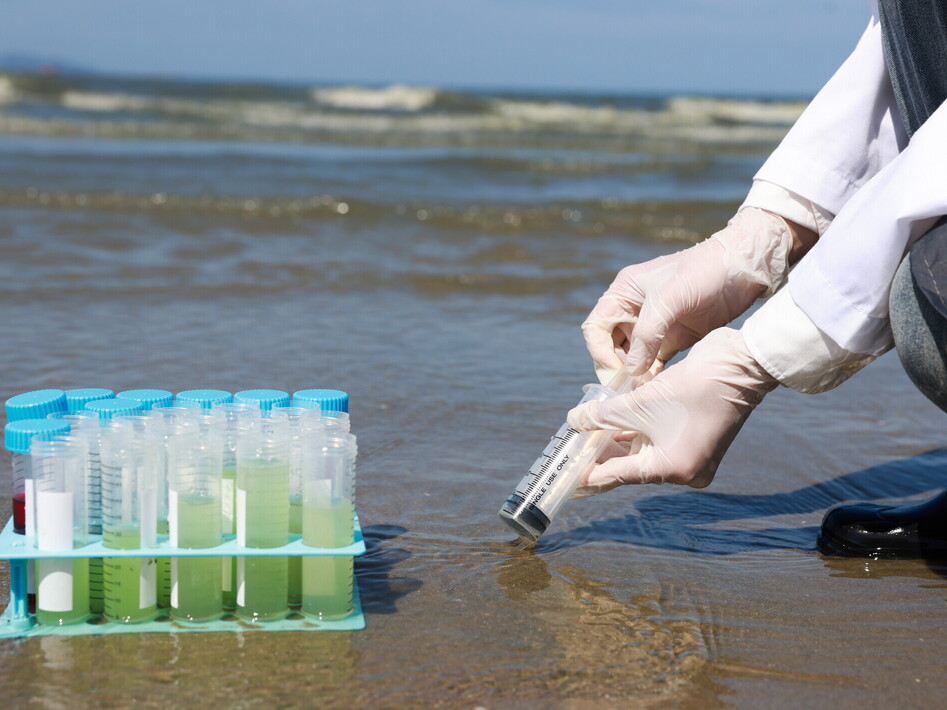

Once again, the summer of 2026 has highlighted the growing pressures and vulnerabilities facing Italy’s seas and lakes. This is the picture emerging from the final results of Goletta Verde and Goletta dei Laghi 2026, two annual summer monitoring campaigns run by Legambiente, Italy’s leading environmental organisation, to assess the quality of marine and lake waters.
The findings are far from encouraging and confirm last year’s results: one in three samples exceeded the legal pollution limits. Of the 391 samples collected by Legambiente volunteers across 19 Italian regions, 34% were found to exceed the permitted thresholds. One of the main factors undermining the health of marine and lake ecosystems and preventing improvements in water quality is first of all inadequate wastewater treatment, a widespread problem across Italy. The country still has 514 urban agglomerations, representing more than 14 million population equivalents, where wastewater discharges fail to comply with regulatory standards.
River mouths and the outlets of canals and streams flowing into seas or lakes have once again emerged as critical pollution hotspots: 54% of the 188 sites sampled were classified as polluted or heavily polluted. Among the most critical locations, where pollution has become a persistent problem, are the mouth of the River Musone on the Adriatic coast of the Marche region, which has been classified as heavily polluted for the past six years, with the sole exception of 2024; Aci Trezza, in the province of Catania, Sicily, where pollution levels have exceeded legal limits since 2020; and Lake Sabaudia, in the province of Latina, where all three samples collected were classified as “heavily polluted”. Water quality remains a concern even in areas far from river mouths or discharge outlets: 15% of samples collected directly from marine or lake waters exceeded legal limits, with 5% classified as polluted and 10% as heavily polluted. Another cause for concern is the lack of information signs at river mouths: at 70% of the sites monitored as part of the Goletta Verde campaign alone, no signs prohibiting bathing were found.
Alongside pollution and inadequate wastewater treatment, the climate crisis is exacerbating a range of environmental threats, from the tropicalisation of the Mediterranean and the spread of non-native species to coastal erosion and drought. According to Legambiente data, between 2020 and 2025, the average surface temperature of the Mediterranean Sea never fell below 24°C during the May-to-September period. Inland, prolonged drought and high temperatures are placing severe pressure on several lakes. Among the hardest hit are Lake Iseo, which lost more than 79% of its regulated water storage in just 42 days, between 12 June and 24 July, and Lakes Maggiore and Como, which recorded losses of 76%. Another major threat to marine and lake ecosystems is littering and waste dumping, a pervasive problem that extends even to the seabed.
Every year, the Goletta Verde and Goletta dei Laghi campaigns draw attention to persistent environmental challenges in Italy, particularly poor water management and the incomplete transposition of the European Urban Waste Water Treatment Directive (91/271/EEC). Addressing these issues will require greater investment in upgrading urban wastewater treatment plants, improving sewerage networks to ensure untreated wastewater is properly collected and treated, and tackling illegal discharges into surface waters. At the same time, responding effectively to the climate crisis will require stronger mitigation and adaptation measures. These should begin with allocating the financial resources needed to implement Italy’s National Plan for Adaptation to Climate Change (PNACC), developing a dedicated national plan for coastal adaptation to the climate crisis, and establishing new marine and terrestrial protected areas.
To find out more, click here.