


COP17: work begins in Mongolia to combat desertification
17 August 2026
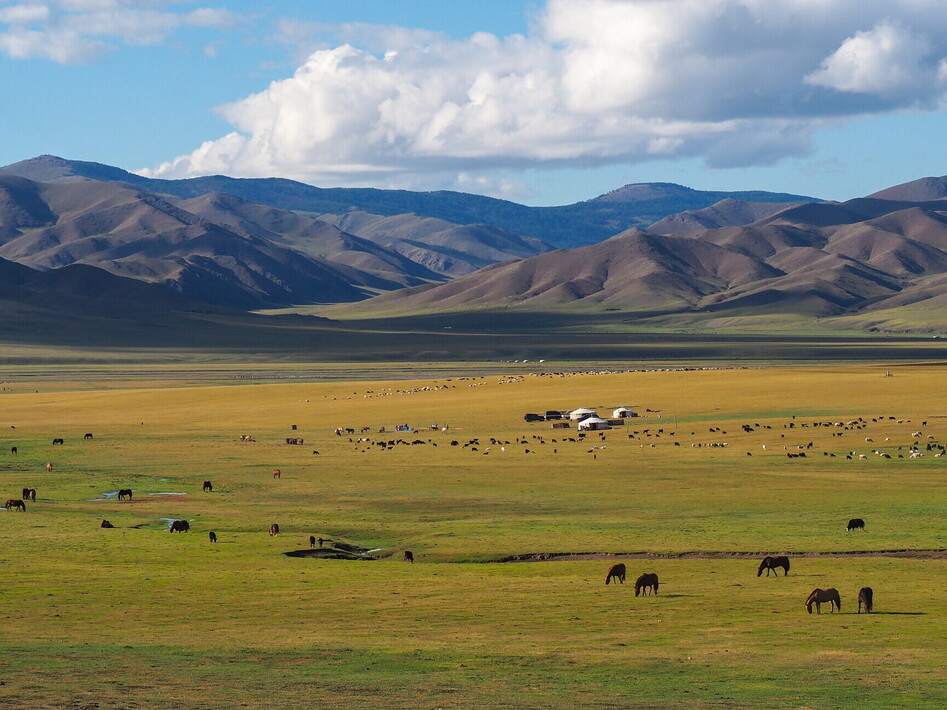

Work began today, 17 August, in Ulaanbaatar, Mongolia, on the seventeenth session of the Conference of the Parties (COP17) to the United Nations Convention to Combat Desertification (UNCCD). The central theme of the Conference is “Restore soils. Restore hope”.
COP17 brings together delegates from the 197 Parties to the United Nations Convention to Combat Desertification (UNCCD), along with leaders from government, business and civil society, as well as scientists, young people, Indigenous Peoples, pastoralists and smallholder farmers, with a shared objective: to develop solutions to the challenges posed by desertification, land degradation and drought. Land restoration is essential to reducing instability, preventing displacement and strengthening human and national security in vulnerable regions.
Soil underpins food security and water replenishment, provides livelihoods and helps ensure stability. When soil deteriorates, the foundations of life are undermined. For this reason, COP17 aims to send a powerful message to the world: “restore soils and restore hope” is not just a slogan or another item on the agenda, but a priority for development and resilience, essential to reducing instability, preventing displacement and strengthening human and national security in vulnerable regions. “As drought intensifies and land degradation accelerates, the conference must advance practical and achievable solutions – from restoring degraded land and soils to strengthening the land-water nexus – so that communities can thrive,” said Yasmine Fouad, Executive Secretary of the UNCCD.
Land degradation is already affecting up to 40% of the planet’s land surface, with far-reaching consequences for food production, water availability, livelihoods and economic stability. COP17 provides a crucial opportunity for countries and partners to strengthen policy implementation and mobilise greater investment in drought resilience and sustainable land management. Mongolia is one of the countries most severely affected by desertification and land degradation, with almost 77% of its territory – equivalent to 1.56 million square kilometres – already degraded.
COP17 is taking place during the United Nations International Year of Rangelands and Pastoralists (IYRP 2026), proclaimed by the United Nations General Assembly and promoted by Mongolia. This provides an important opportunity to accelerate action on the sustainable management, restoration and conservation of rangelands, while also focusing attention on the needs of pastoral communities that depend directly on these ecosystems for their livelihoods. Rangelands cover more than half of the Earth’s land surface, directly support the livelihoods of around 500 million people and provide one sixth of the world’s nutritional needs, yet they remain among the planet’s most neglected and increasingly degraded ecosystems.
Mongolia will launch the Steppe Action Agenda, a long-term strategic platform and legacy initiative of the UNCCD-COP17 Presidency. It is designed to advance efforts to combat desertification and land degradation, strengthen resilience to drought and climate change, and promote sustainable development, while creating a lasting legacy beyond COP17. The Agenda is based on three flagship initiatives:
- Rangelands, an initiative jointly developed by Mongolia and the UNCCD, aimed at promoting sustainable rangeland management, climate-resilient land use and land restoration in arid regions.
– Nature-based solutions for sustainable infrastructure, aimed at integrating nature-based solutions into development policies and infrastructure planning processes, while promoting public-private partnerships and collaborative investment approaches.
– Water-land nexus initiative, aimed at making water and land challenges in arid areas a priority in international policy, negotiations and financing, while promoting integrated and sustainable management approaches.
To find out more, click here.