


Comuni Ricicloni 2026
6 July 2026
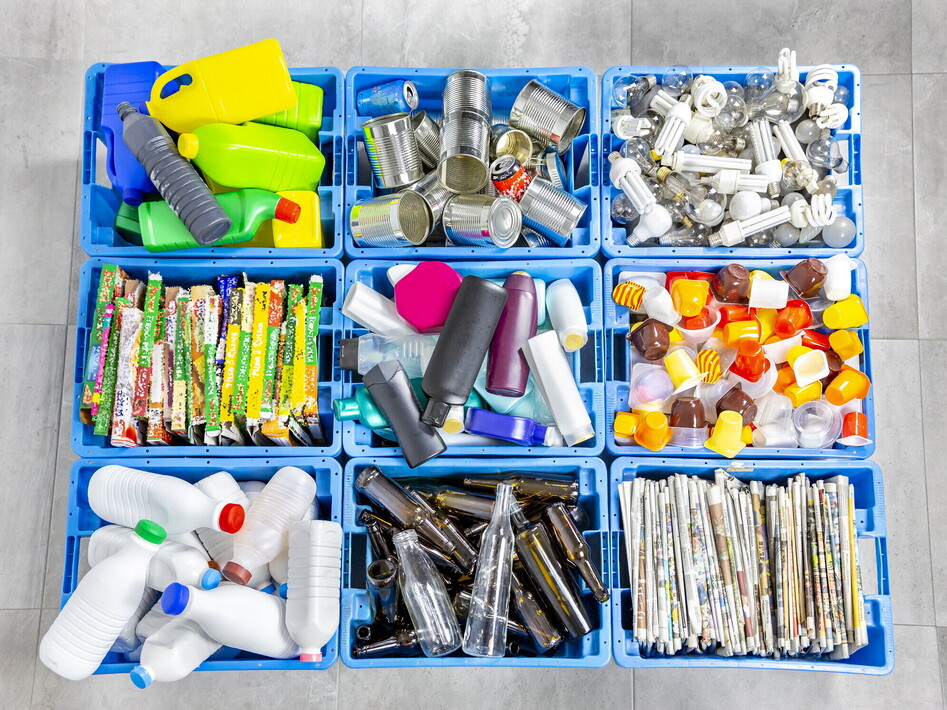

In 2026, the number of waste-free municipalities in Italy is rising once again. These are municipalities that keep the per capita amount of residual waste sent for disposal below 75 kilograms per resident per year. After a slight decline in 2025, when 663 municipalities met the criteria, the figure has increased this year to 675 out of a total of 7,894 municipalities.
The data come from the 33rd edition of Legambiente’s Comuni Ricicloni report, presented in Rome on the final day of the National Ecoforum on the Circular Economy. The event was organised by the environmental association together with Kyoto Club and La Nuova Ecologia, in partnership with Conou and under the patronage of the Ministry of the Environment and Energy Security, the Lazio Region and the Metropolitan City of Rome.
Northern Italy remains the part of the country with the highest number of high-performing municipalities: 60.3% of the total are concentrated there, although the figure is down by 16 municipalities compared with last year. Southern Italy and the islands account for 32.8% of the total and have grown since 2025, with 16 additional municipalities. Central Italy, meanwhile, represents 6.8% of the Comuni Ricicloni. Although the area still has considerable ground to make up, after years of little progress it has recorded a significant increase this year, with 16 more municipalities than in 2025, bringing the total to 46. Another noteworthy figure is the overall number of people living in Waste-Free Municipalities, which has risen from 3,715,010 last year to 4,086,781 today. At regional level, Veneto once again ranks first for the number of waste-free municipalities, with 165, followed by Lombardy with 104 and Campania with 73.
As for provincial capitals, 35 of the 54 taking part met or exceeded the 65% target, while five qualified as Waste-Free Municipalities. Pordenone, Belluno, Nuoro, Trento and Treviso received both distinctions.
Overall winners among municipalities with fewer than 5,000 residents: Borrello (CH), Ripacandida (PZ), Morano Calabro (CS), Domicella (AV), Mordano (BO), Valvasone Arzene (PN), Rocca Santo Stefano (RM), Pieve Ligure (GE), Foresto Sparso (BG), Monteleone di Fermo (FM), Montefalcone nel Sannio (CB), Barone Canavese (TO), Atzara (NU), Castel di Lucio (ME), Terre d’Adige (TN), Calvi dell’Umbria (TR), Verrayes (AO), Sospirolo (BL).
Overall winners among municipalities with between 5,000 and 15,000 residents: Pratola Peligna (AQ), Casali del Manco (CS), Cimitile (NA), San Prospero (MO), Chions (PN), Sacrofano (RM), Luni (SP), Villongo (BG), Venafro (IS), Sammichele di Bari (BA), Sennori (SS), San Giuseppe Jato (PA), Serravalle Pistoiese (PT), Altopiano della Vigolana (TN), Loria (TV).
Overall winners among municipalities with more than 15,000 residents: Siderno (RC), Bacoli (NA), Nonantola (MO), Azzano Decimo (PN), Fonte Nuova (RM), Carugate (MI), Monserrato (CA), Ribera (AG), Monsummano Terme (PT), Pergine Valsugana (TN), Vedelago (TV).
Among this year’s examples of good waste management, Legambiente awarded a special mention to Bee, a black Labrador Retriever and the star of Recycling Dog, Italy’s first structured project using canine units to detect plastic waste dispersed in the natural environment. In Castelbuono, a small municipality in the heart of the Madonie mountains, in the province of Palermo, Bee and his handler have spent the past three years searching woods, streams, paths and alleyways for waste that often escapes conventional collection systems. The idea was developed by Pachamama APS, an association that has worked for almost twenty years to promote human and animal wellbeing through the One Health approach, which recognises the inseparable link between the health of people, animals and the environment. Over three years, Bee and his handler have covered more than 800 kilometres, collecting around 200 kilograms of discarded plastic. These figures reflect more than the success of an environmental project: they point to a new way of thinking about the relationship between communities, animals and the places they share.