


A bonfire on the Moon: NASA’s experiment for future missions
29 April 2026
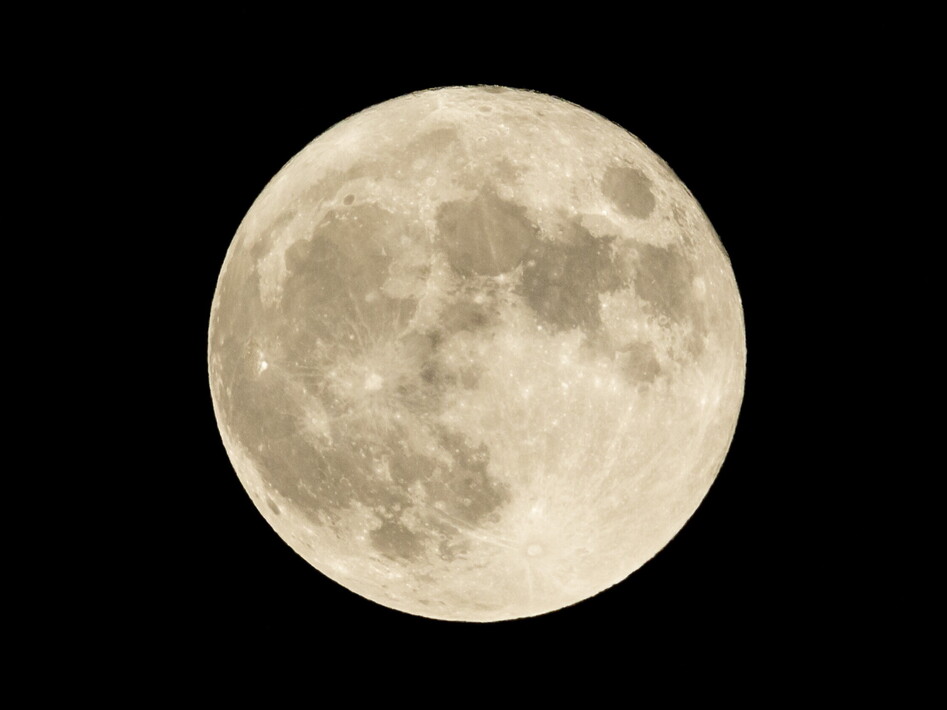

When we think of the Moon, we imagine silence, dust and airless landscapes. But NASA scientists are planning a truly unusual experiment: lighting a small fire on the lunar surface.
The goal is extremely important: to understand how fire behaves in space, in order to make future astronaut missions safer. Fire is one of the greatest dangers for space missions. On a spacecraft or inside a lunar base, a fire could become extremely hazardous because astronauts have very few ways to put it out. For this reason, scientists want to understand exactly how flames spread in conditions different from those on Earth. The behaviour of fire depends both on gravity and on the movement of air. On Earth, the hot gases produced by combustion rise upwards. This movement brings fresh oxygen to the base of the flame, feeding it. In space, or in environments with very low gravity, something different happens: the flame does not point upwards, often takes on an almost spherical shape, and may burn more slowly but for longer. This means that some materials that seem difficult to ignite on Earth could burn more easily on the Moon. To study this phenomenon, NASA has designed an experiment called FM2, short for Flammability of Materials on the Moon. During the mission, a small sealed chamber containing solid materials will be taken to the Moon. Inside this structure, four small, controlled flames will be ignited. Sensors and cameras will record the shape of the flame, the speed at which it spreads, and the amount of oxygen consumed. This will allow scientists to observe for the first time how fire really burns in lunar gravity. In the past, researchers had already studied fire on the International Space Station. In some experiments, astronauts lit hundreds of small flames to understand how combustion works in the absence of gravity. However, those tests lasted only a few seconds or took place under conditions different from those on the Moon. The lunar experiment, by contrast, will allow scientists to observe flames for several minutes, producing far more precise data. In the coming years, many space missions aim to bring humans back to the Moon and build permanent bases. This means that safe materials, suits and habitats must be designed. Understanding how fire behaves will help engineers choose materials that are less likely to burn, design better safety systems and protect astronauts during missions.