


The ancestor of chewing gum
23 November 2025
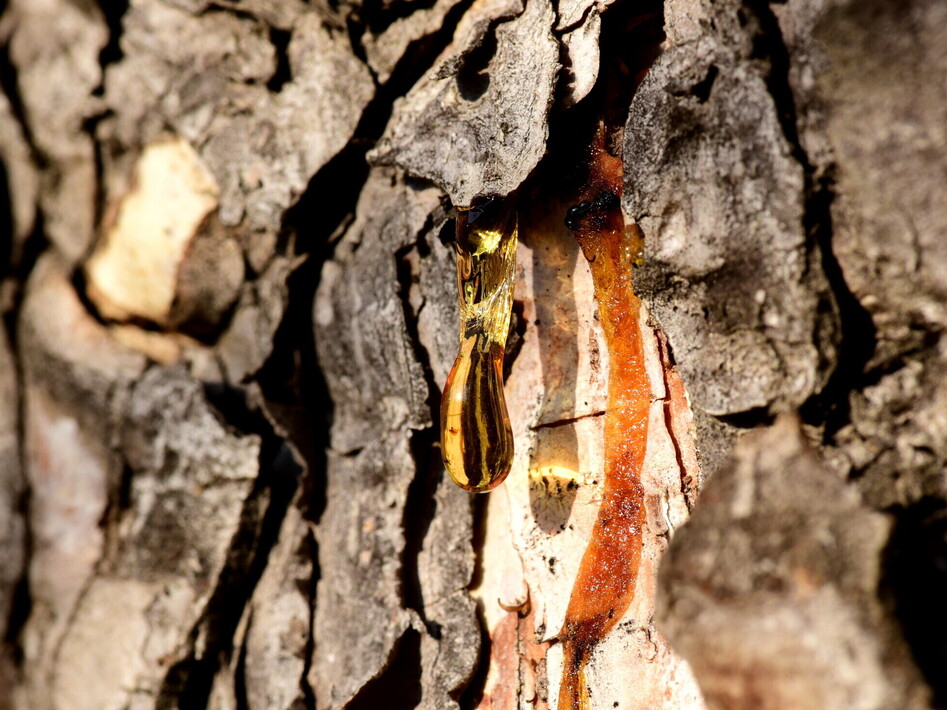

In the heart of Neolithic Europe, among the remains of pile-dwelling settlements along Alpine lakes, archaeologists have come across objects that look like odd little pebbles: dark brownish-black pellets of material identified as birch pitch.
What are they, and what were they used for? A study led by the University of Copenhagen analysed thirty birch pitch artefacts, a gummy substance obtained by heating the bark of the tree. It is the first synthetic material in human history, used already by Neanderthals and then by our own ancestors to glue stone blades to handles, repair pottery and seal containers. A kind of universal adhesive. Using sophisticated chemical and genetic analyses, researchers studied samples from nine Neolithic sites in the Alps and southern France. They found that most of the pieces were made of pure birch pitch, but in some cases, it was mixed with conifer resin – from pines and firs – perhaps to improve its grip or alter its consistency. Chemical traces also revealed different ways in which it was used. Pottery repairs, for example, showed signs of repeated heating consistent with use in cooking: repaired pots were put back on the fire even after being patched. Pitch used to glue stone tools, by contrast, had a more solid, stable composition, designed to withstand impacts and mechanical stress. The most surprising finding, however, came from the analysis of DNA residues stuck to the lumps of pitch – genetic material of both human and microbial origin. Why was there so much human DNA on these pitch pellets? The fact that some of the DNA belonged to bacteria characteristic of the oral microbiome – microbes that live in our mouths – suggests that birch pitch was also used like chewing gum. According to the research team, chewing the pitch may have been commonplace, perhaps to soften it before use, but also for therapeutic or hygienic purposes, since birch contains antibacterial compounds. Our ancestors probably used to chew birch gum, sometimes mixed with aromatic resin, as a pastime and to clean their teeth and freshen their breath – much as we chew gum today.