


New human blood group discovered
8 January 2026
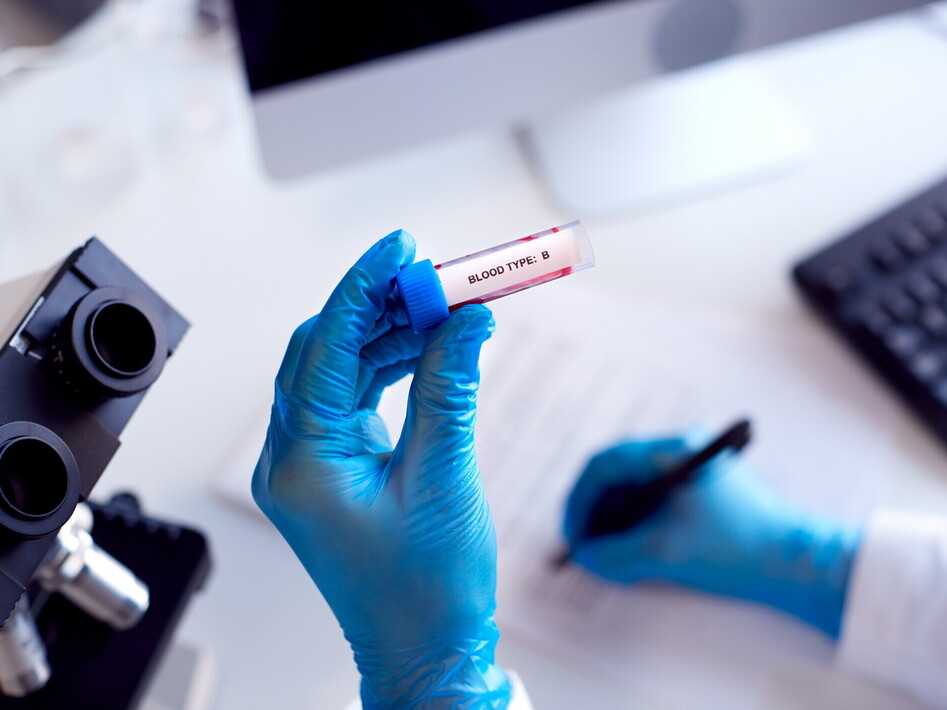

Blood, the vital fluid coursing through our veins, is far more complex than most people imagine. In addition to the well-known ABO and Rh systems—which determine whether we are A, B, AB, or O, positive or negative—there are dozens of other blood groups, each with its own peculiarities.
Recently, after a mystery that lasted half a century, researchers have finally identified a new blood group system, named MAL. This discovery is not only a scientific milestone - it also carries major implications for transfusion medicine and the diagnosis of certain conditions. The story of the MAL blood group began back in 1972 in Israel. Doctors encountered a highly unusual case: a pregnant woman’s blood sample displayed entirely unique characteristics. It lacked a surface molecule on red blood cells - an antigen known as AnWj - that was otherwise present in almost every other known individual. It was akin to finding someone with an eye colour never seen before, or a fingerprint missing a ridge common to everyone else. This case launched an investigation that would take decades to resolve. For over fifty years, the puzzle fascinated haematologists and geneticists. The breakthrough came thanks to the perseverance of researchers from the UK and Israel. Armed with cutting-edge genetic analysis techniques and an increasingly deep understanding of red blood cell biology, they officially described this new blood group system in a 2024 publication. But what exactly does a “new blood group” mean? Blood groups are defined by the presence or absence of specific proteins or sugars on the surface of red blood cells, known as antigens. These antigens act as identification markers, allowing the immune system to distinguish “self” from “non-self”. A mismatch during transfusion can trigger a serious or even fatal immune reaction. In the case of the MAL system, the key antigen is AnWj, which resides on a protein that plays an important role in both myelin (the protective sheath of nerve fibres) and lymphocytes (immune system cells). The MAL group is as rare as other recently identified blood group systems. People who carry a mutated version of both their MAL genes do not produce the AnWj antigen and are therefore considered AnWj-negative.
The identification of the MAL system is not just an intriguing scientific curiosity - it has profound practical implications in medicine. First and foremost, understanding this new blood group is crucial for safe blood transfusions. For the rare individuals with AnWj-negative blood, receiving AnWj-positive blood could provoke an adverse reaction. Now that the MAL system has been identified and its genetic markers are known, specific tests can be carried out to ensure that these patients receive compatible blood - dramatically improving their chances of survival in critical situations. But there’s more. The research team also discovered that the suppression of the AnWj antigen is not always due to an inherited genetic mutation. In some cases, the antigen can be suppressed as a result of underlying blood disorders. This means that determining MAL blood type can also serve as an important diagnostic tool. If an individual is found to be AnWj-negative without any clear genetic mutation, it may point to an undiagnosed haematological condition - paving the way for timely and potentially life-saving medical intervention. The discovery of the MAL system is a reminder that our understanding of the human body is constantly evolving. Every new blood group identified adds another vital piece to the complex puzzle of human biology. Not only does it help refine medical practice and save lives - it also deepens our knowledge of the genetic variants that make each of us unique. Who knows what other secrets our blood may still hold, waiting to be uncovered?