


What are teeth?
4 January 2026
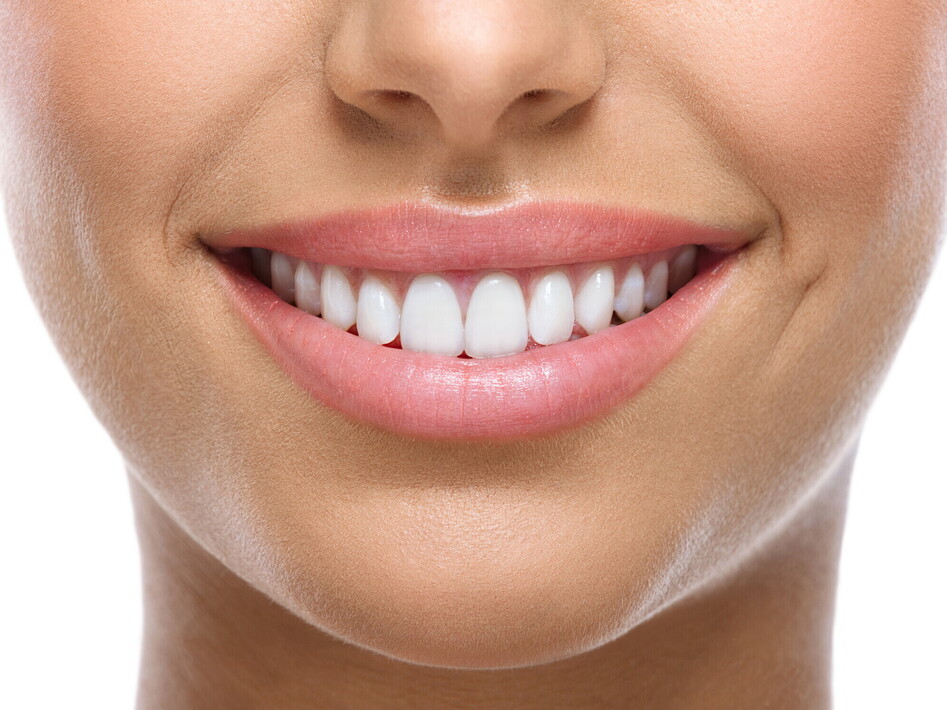

Although they share a few characteristics, teeth and bones differ profoundly in structure, function, and biological properties. The most important distinction lies in their roles within the body.
Bones form the skeleton, support our weight, protect vital organs, and house bone marrow – the site where blood cells are produced. Teeth, by contrast, belong to the digestive system. Their primary task is to grip and break down food, making it suitable for digestion. They also shape our speech and contribute to facial structure, yet they play no part in blood production or structural support. Bones are living, dynamic tissues. They contain blood vessels and specialised cells that continually build and renew bone tissue, as well as marrow with multiple essential functions. If a bone breaks, the body is typically able to repair it thanks to these regenerative cells. Teeth, on the other hand, are composed of several layers, each serving a different purpose. Enamel, the outermost layer, is the hardest substance in the human body, but it contains no living cells. Once enamel is damaged, it cannot regenerate. Beneath it lies dentine, a more sensitive layer, and at the centre of the tooth sits the pulp, containing nerves and blood vessels. This part is alive, but it cannot rebuild enamel or repair major damage. Another major difference lies in how they develop. Bones arise from mesodermal cells, whereas teeth form through a complex interaction between different tissues giving rise to enamel, dentine, and pulp. This unique developmental pathway helps explain why teeth are such specialised – and delicate – organs. A commonly overlooked detail is how teeth are anchored to bone. They are not fused to the jawbone; instead, they are held in place by an elastic structure known as the periodontal ligament. This system allows teeth to withstand the forces of chewing without breaking, but it also confirms that a tooth is an independent organ, not simply an extension of bone. Understanding these differences is not merely a matter of scientific curiosity. Because teeth cannot regenerate in the way bones do, prevention is essential: a cavity or chipped tooth will not heal on its own. Good oral hygiene, regular dental check-ups, and a balanced diet are crucial for protecting enamel and preserving dentine. In short, teeth are not bones because they have a far more complex structure, a completely different function, and limited ability to repair themselves. They are unique, highly specialised organs designed to meet the demands of chewing every single day – but they require consistent care. Knowing what sets them apart helps us understand why dental health is so important for overall wellbeing.