


Two small animals thought to have been extinct have been found
10 April 2026
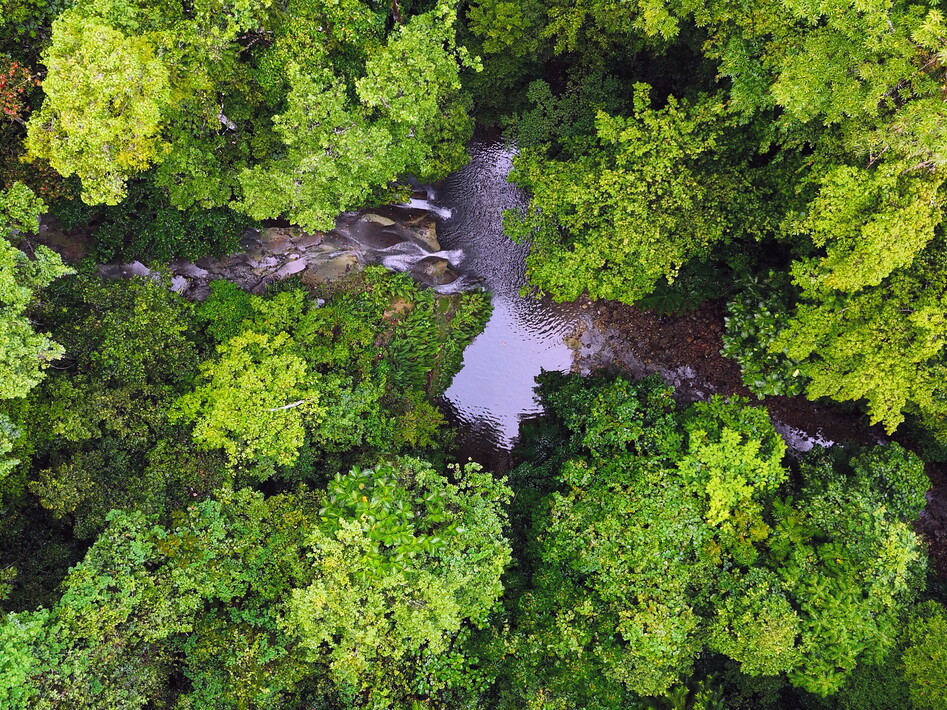

Sometimes nature still manages to surprise scientists. In a remote tropical forest in Indonesia, researchers have made an extraordinary discovery: two small mammals believed to have been extinct for around 6,000 years have been found alive.
The discovery took place in the isolated forests of West Papua, a region on the island of New Guinea covered in dense jungle and still little explored. There, scientists identified a tiny possum and a small gliding animal, both of which had been considered lost for thousands of years. The first animal rediscovered is a very unusual small possum. Its most curious feature is a very long finger on each hand, which it uses to search for food among tree bark and in cracks in the wood. Possums are marsupial mammals, meaning animals that carry their young in a pouch on the belly, rather like kangaroos. This tiny possum lives in the trees of the tropical forest and probably feeds on insects and small animals. The second one discovered is a kind of flying squirrel, a small gliding mammal with a ringed tail. This animal can glide from one tree to another by using a membrane of skin stretched between its limbs. Its tail is prehensile, meaning it can grasp branches much like a hand. This helps it move through the treetops and maintain its balance in the forest. Finding an animal thought to be extinct is already very rare. But discovering two species in the same place is even more astonishing. Scientists described the finding as “exceptional” for precisely this reason. The two species had previously been known only from fossil remains or from very limited scientific evidence from the past. For thousands of years, no living specimen had been found, so they were believed to have disappeared. Why had they not been found earlier? The most likely explanation is that these animals live in very remote and hard-to-reach areas. The forests of West Papua are dense, mountainous and still little explored by humans. This means that some species may remain hidden for a very long time without being observed by scientists. This discovery shows that our planet still holds many secrets. Even today, scientists continue to find new species or animals once thought to have vanished. At the same time, the discovery is also a reminder of how important it is to protect tropical forests, which are home to extraordinary biodiversity. If these natural environments were destroyed, we could lose rare species before even getting to know them. The rediscovery of these two small mammals in Papua is therefore good news both for science and for nature: it shows that the Earth’s biodiversity is still full of surprises.