


New EU rules approved for end-of-life vehicles
22 June 2026
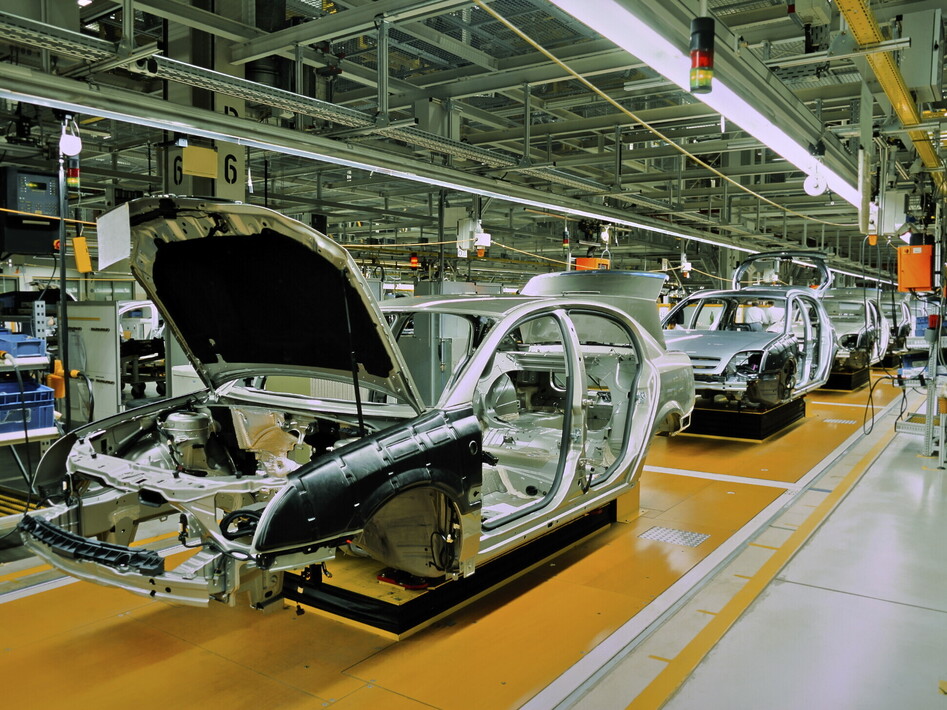

The European Parliament has approved, by 437 votes to 112, with 20 abstentions, a regulation introducing new rules on vehicle design and materials recycling. The vote marks an important step towards making the automotive industry more circular.
The scale of the issue becomes clear when we consider that 285.6 million motor vehicles are currently in use across the European Union, with around 6.5 million reaching the end of their useful life each year. Until now, most of the materials they contain - including plastics, metals and electronic components - have been scrapped instead of being recovered and reused.
One of the key elements of the reform concerns the design of new cars, which will need to be conceived from the outset with easier dismantling in mind. Designers and engineers will therefore have to consider from the very beginning how a vehicle can be taken apart twenty years later, so that as many parts and components as possible can be recovered.
Ambitious targets have been set to promote plastics recycling. Within six years, the plastic used in every new vehicle will have to contain at least 15% recycled material, rising to 25% within ten years. At least 20% of this recycled plastic will have to come from end-of-life vehicles or used parts. The Commission also aims to increase the recycling of other materials in the future, including steel, aluminium, magnesium and critical raw materials.
One of the most significant changes is the introduction of extended producer responsibility. Three years after the new rules come into force, car manufacturers will be required to cover the costs of collecting and treating end-of-life vehicles throughout the European Union. Their responsibility will therefore no longer end when a vehicle is sold, but will extend across its entire life cycle.
The measure forms part of a broader European Union strategy aimed at reducing Europe’s dependence on virgin raw materials and improving its ability to ‘close the loop’ by making better use of materials already in circulation. As early as 2023, the European Commission proposed a new regulation setting circularity requirements for vehicle design and end-of-life management, in line with the objectives of the European Green Deal and the Circular Economy Action Plan.
There is still a long way to go, however. Following Parliament’s approval, the new regulation must now be formally adopted by the Council before it can enter into force and become applicable 24 months later.