


Asteroid 2024 YR4 will not hit the Moon in 2032
9 March 2026
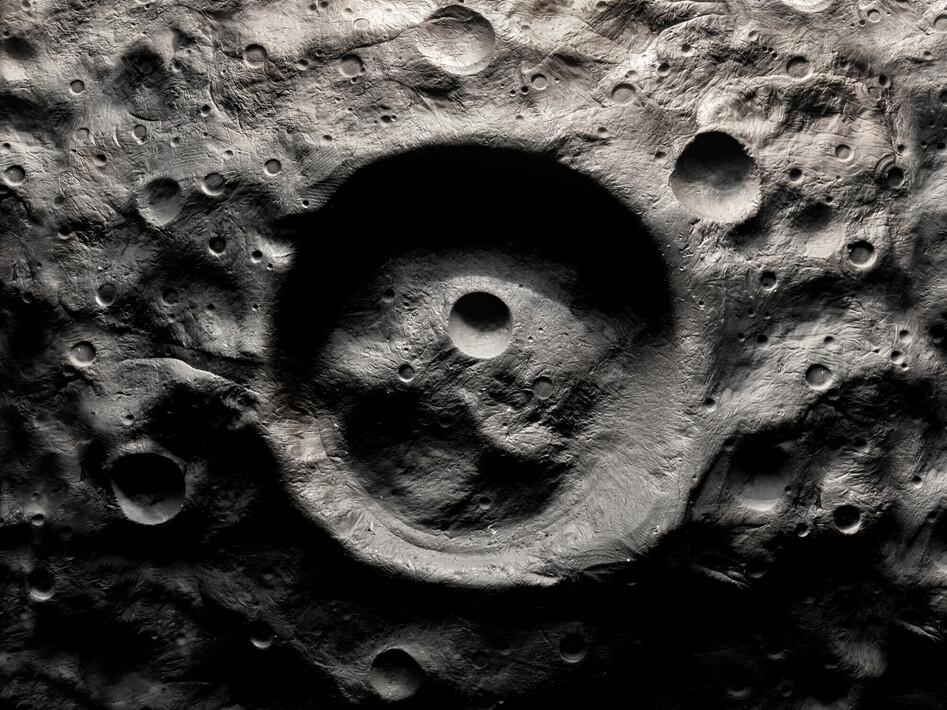

In recent months, scientists have been closely monitoring an asteroid called 2024 YR4. At first, this celestial body appeared to pose a possible threat to the Earth or the Moon.
However, new observations have brought good news: the asteroid will hit neither the Earth nor the Moon. Asteroid 2024 YR4 was discovered on 27 December 2024 by a telescope system called ATLAS, located in Chile. Scientists constantly monitor objects of this kind because some of them may come dangerously close to our planet. Initially, calculations indicated a small probability that the asteroid might strike the Earth on 22 December 2032. At one point, this probability rose to about 3.1%, a value high enough to attract considerable attention among astronomers. The asteroid is not enormous, but it is still sizeable: it measures about 50 to 70 metres in diameter, roughly the height of a 15-storey building. If an object of this size were to hit a city, it could cause very serious damage. After further observations, scientists ruled out the possibility that the asteroid would hit the Earth. However, one uncertainty still remained: there was about a 4.3% chance that it might instead crash into the Moon. Had that happened, the impact could have created a large crater about one kilometre wide and generated a bright flash visible from Earth. Some researchers even thought that the explosion might have produced a spectacular meteor shower in Earth’s sky. The situation changed thanks to new observations made in February 2026 with the James Webb Space Telescope, one of the most powerful instruments ever built to study the universe. The telescope succeeded in spotting the asteroid when it was about 280 million miles from Earth. By analysing its position relative to the stars with great precision, astronomers were able to calculate its orbit more accurately. Thanks to these improved data, scientists discovered that on 22 December 2032 the asteroid will pass close to the Moon but will miss it by about 21,000 kilometres. This episode shows how important it is to keep observing objects that orbit near the Earth. At first, calculations can be imprecise because scientists have only limited data available. With further observations, however, it becomes possible to refine the models and determine with greater confidence where these celestial bodies will pass. The case of asteroid 2024 YR4 is therefore a good example of how planetary defence works, namely the system for monitoring and studying potentially dangerous asteroids. Thanks to telescopes and collaboration between scientists around the world, we can identify possible risks in advance and understand whether they truly represent a threat. Fortunately, in this case, we can rest easy: in 2032 the asteroid will pass close to the Moon, but without striking it.